Follow us:-

Key Points and Considerations for Purchasing Galvanized Cable Trays

  • 2026-03-25
  • 0 Views
When purchasing galvanized cable trays, decisions should be based on a comprehensive evaluation of environmental conditions, production processes, material quality, and after-sales support.
 

1. Confirm Environmental Corrosion Level and Process Requirements

 
  • Highly corrosive environments (coastal areas, chemical zones, outdoor installations):
     
    Must use hot‑dip galvanized (HDG) cable trays. Ensure the zinc coating meets C5‑level corrosion resistance (marine environment), with a coating thickness typically ≥ 65 μm.
  • Indoor or dry environments:
     
    Cost‑effective electro‑galvanized (cold galvanized) trays may be used.
  • Fire‑protection required areas:
     
    Use fire‑resistant cable trays made of steel or non‑combustible flame‑retardant materials, or install fireproof linings inside the trays.
 

2. Verify Key Quality Parameters

 
  • Zinc coating thickness:
     
    Focus not only on nominal values but also on average thickness and minimum local thickness, as thin spots are prone to rust.
     
    National standard: average single‑sided zinc coating on the main body ≥ 65 μm.
  • Sheet thickness:
     
    Directly affects load‑bearing capacity and must meet design specifications.
     
    Example: for tray width ≥ 800 mm, sheet thickness is recommended to be ≥ 2.2 mm.
  • Anti‑corrosion protection at cuts and joints:
     
    If the zinc coating is damaged during cutting, drilling, or assembly, touch‑up zinc paint or anti‑corrosion treatment must be applied to prevent premature corrosion.
 

3. Supplier Qualification and Service Capability

 
  • Verify that the supplier provides complete documentation:
     
    product certificates, inspection reports, and material test certificates.
  • Evaluate customization capabilities:
     
    non‑standard elbows, reducers, tees, and special sizes, as well as on‑time delivery performance.
  • Ensure a complete set of matching accessories:
     
    elbows, tees, connectors, supports, and hangers, to avoid on‑site secondary processing that damages the anti‑corrosion layer.

Related Post

Case study of galvanized porous cable tray in Nanhu Jubao Garden project

Case study of galvanized porous cable tray in Nanhu Jubao Garden project

huahe cable tray, with rich experience in serving major engineering projects, produces cable trays that meet the requirements of nanhu jubao garden project. nanhu jubao garden has established a long-term procurement relationship with huahe cable tray for products such as fire-resistant cable trays, low-voltage cable trays, galvanized porous cable trays, etc. huahe has won high recognition from customers with high-quality products and comprehensive services.n…
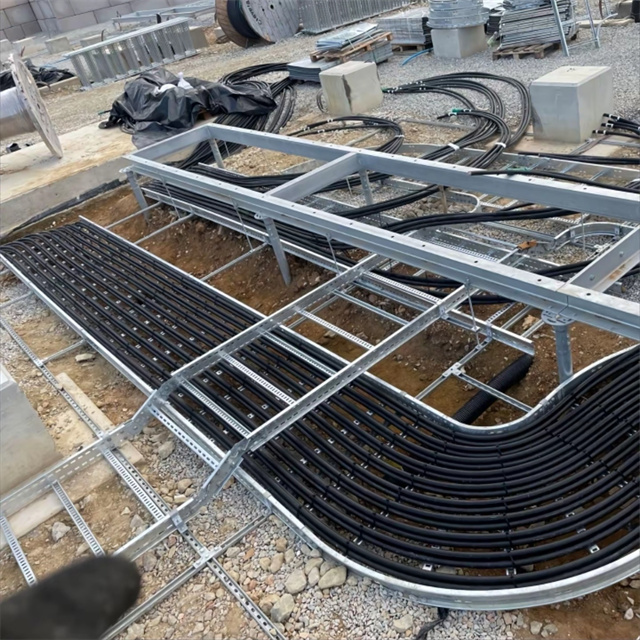
Definition and Main Types of Galvanized Cable Trays

Definition and Main Types of Galvanized Cable Trays

Galvanized cable trays are cable support systems fabricated from steel trays that undergo galvanizing corrosion protection treatment. They are primarily categorized into two types based on the production process: hot-dip galvanizing (hot-dip zinc) and electro-galvanizing (cold galvanizing). Widely utilized for cable laying in construction, power engineering, and chemical industry sectors, they serve as a reliable solution for diverse cable management needs.
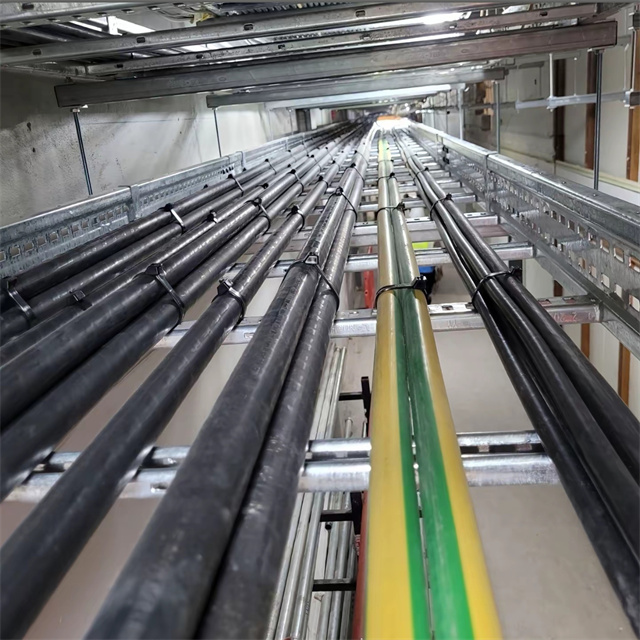
Four Major Types of Cable Trays and Their Applicable Scenarios

Four Major Types of Cable Trays and Their Applicable Scenarios

slot-type cable tray features a fully enclosed structure, offering excellent dustproofing, anti-interference performance, and corrosion resistance. application: computer cables, com…