How to Choose a Galvanized Cable Tray for Specific Applications
1. Select Galvanizing Process Based on Environmental Corrosion
The coating process determines service life and applicable environment:
-
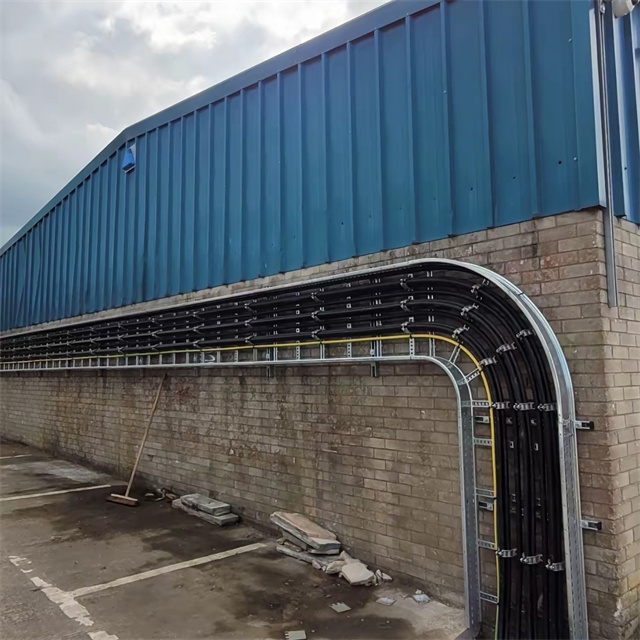
Hot-dip Galvanized (HDG)
Zinc layer ≥ 65μm, metallurgical bonding, ultra-strong corrosion resistance.
Application: Outdoor, coastal, chemical plants, tunnels, high-humidity, high-salt spray environments.
Service life: 15–20 years.
Preferred for outdoor engineering.
-
Electro-galvanized (Cold Galvanizing)
Thin zinc layer (5–15μm), basic anti-corrosion.
Application: Indoor dry, light-corrosion environments.
Not recommended for outdoor, coastal, or long-service projects.
✅
Anti-fraud Tip:
Genuine hot-dip galvanized surface shows matte gray zinc flowers; scratched interior reveals bright alloy layer.
Always require
zinc coating test report and compliance with
GB/T 13912-2020.
2. Choose Structure Type According to Cable Type & Layout
-
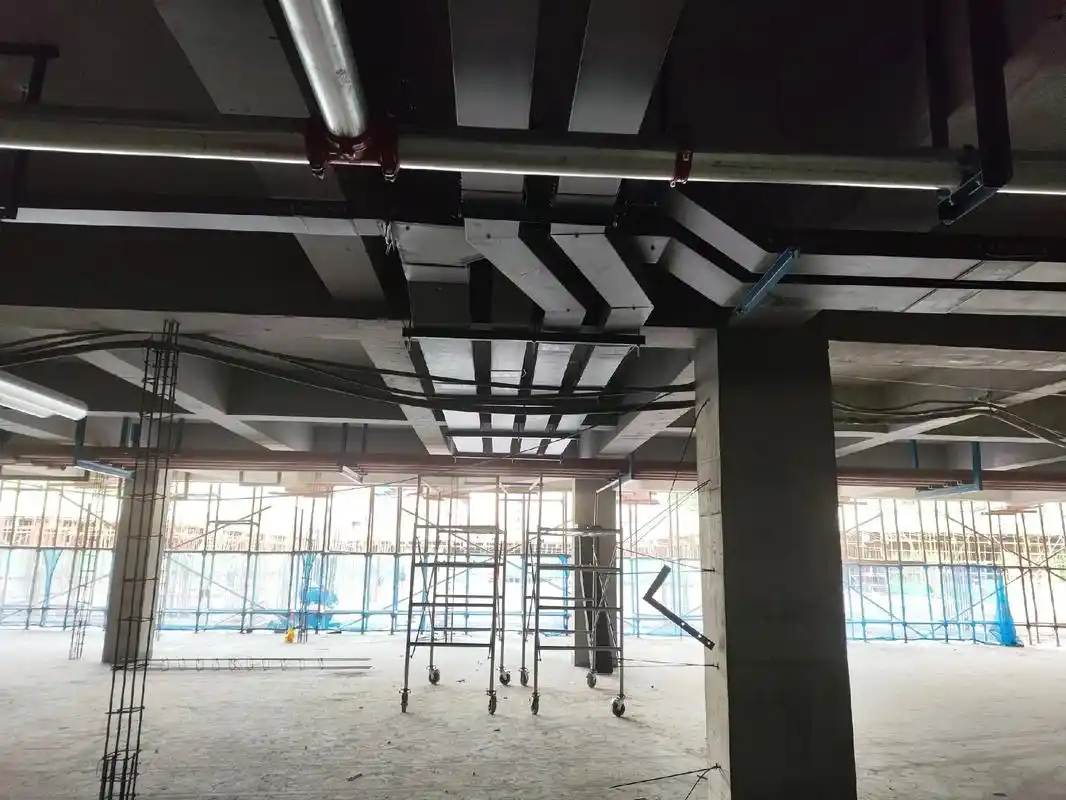
Tray-type Cable Tray
High load capacity, good heat dissipation and protection.
Suitable: Power cables, dense cabling, factories, high-rise buildings.
-
Slot-type Cable Tray
Fully enclosed, dustproof, waterproof, anti-interference.
Suitable: Communication, computer, instrument cables, clean rooms, fire-resistant areas.
-
Ladder-type Cable Tray
Open structure, excellent heat dissipation, easy installation.
Suitable: Large-diameter, high-voltage, high-current power cables.
-
Grid-type Cable Tray
Lightweight, ventilated, flexible routing.
Suitable: Data centers, low-voltage systems, modular wiring.
3. Verify Load, Span & Thickness for Structural Safety
- Load Calculation:
Total cable weight (static load) + maintenance live load (personnel access)
Must satisfy: Actual load < Allowable load of tray
- Support Span:
Indoor: 1.5–3m; Outdoor: up to 6m.
Reduce span and add reinforcements for large span or high wind.
- Plate Thickness:
For tray width ≥ 800mm, use thickness ≥ 2.2mm to ensure rigidity.
4. Enhanced Selection for Special Environments
- Coastal / High Wind Speed:
Use thickened hot-dip galvanized, stainless steel, or aluminum alloy tray; increase fixing points.
- High Temperature (Metallurgical Plants):
Use open ladder or perforated tray to enhance heat dissipation.
- Fire Protection Required:
Apply fireproof coating or install fireproof board; meet GB 8624 standard.
5. Select Qualified Manufacturers with Full Service
Choose suppliers who can provide:
- Certifications: ISO9001, hot-dip galvanizing standard reports
- Engineering services: CAD/BIM design, customized solutions
- Quality control: Raw material + finished product inspection, reliable warranty
 Call Now ! 8618865255951
 Email Now bella@sdhh.net